What it is
Breaking patterns means noticing the repeating loops in how you love, argue, withdraw, pursue or pick partners, and then learning to respond differently. A pattern might be going quiet when things get tense. It might be always rescuing, always being the one who leaves, or feeling drawn to people who feel familiar but not good for you.
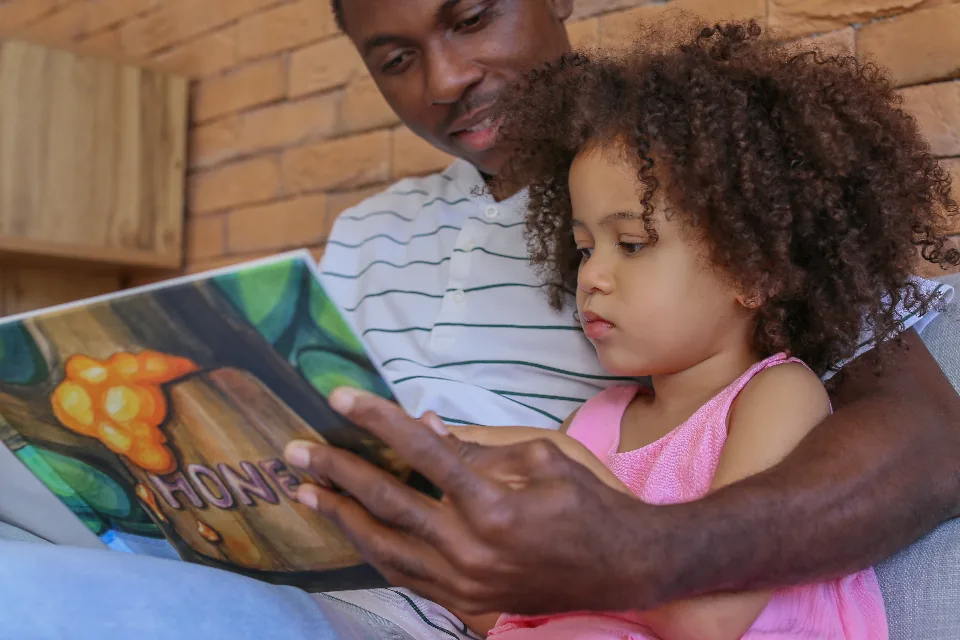
Many patterns start early. We learn what closeness looks like from the families and communities that raised us, whether those were biological, adoptive, blended or chosen. Familiar can feel like safe, even when it isn't comfortable. That's why the same story can show up with different faces.
Patterns aren't a character flaw, and they aren't anyone's fault. They are strategies that once made sense. Breaking patterns is about understanding them with compassion, then choosing what you want to keep and what you're ready to change. That applies to any relationship style, from monogamy to polyamory to relationship anarchy, and to any identity or orientation.
How it’s traditionally been approached
People have long looked to family, elders, faith communities, journaling and trusted friends to make sense of recurring relationship themes. Many have also turned to books, workshops and support groups.
In professional settings, pattern work has often involved mapping out relationship history, such as who you chose, how things began, what went wrong and what repeated. Family-of-origin exploration looks at the messages, roles and unspoken rules you grew up with. Some therapy approaches focus on attachment, family systems or emotional cycles.
Coaching traditions approach it from a skills angle: spotting triggers, building new habits, practicing boundaries and finding your voice. Different pros emphasize different things, and no single approach is right for everyone.
How the right relationship pro may help
The right relationship pro may help you slow down and see your story more clearly. A first visit is usually a conversation. You might talk about what brought you in, what you keep running into, and what you hope is different. You won't be rushed or judged.
Depending on their role, a pro may help you map your patterns, explore your family-of-origin influences, or practice new habits like speaking up, setting a boundary or pausing before reacting. Only licensed clinicians, such as an LMFT, psychologist, LPC/LMHC or LCSW, provide therapy or treat mental-health conditions. Coaches teach skills and don't diagnose or treat.
Good questions to ask: What is your license or training, and can I verify it? How do you approach family history and patterns? Have you worked with people like me, including my identity and relationship structure? How will we know if this is a good fit? Trust your gut about whether you feel respected and heard.

The whole-person view
Your body, mind and stress all talk to each other. A familiar pattern can show up as a tight chest, a racing heart, a shutdown or a rush of urgency before you've had a single thought. Noticing those signals can be as useful as understanding the story behind them.
Some people find body-based support helpful alongside other work, and Somatic Experiences lists pros who focus on that. Others want talk therapy to explore history and feelings, and Therapists.plus can help you find licensed therapists. Sleep, movement, connection and rest matter too. Change tends to feel more possible when you're supported on every level.
Somatic Experiences: trauma and emotional healing →Therapists.plus: cognitive behavioral therapy →
Keep in mind
- Patterns can be tied to painful experiences, including trauma. Licensed professionals should guide care for those, and a coach isn't a substitute for therapy.
- Abuse, intimidation and coercive control are not relationship patterns you caused or can fix by changing yourself. If you feel afraid or controlled, call the National Domestic Violence Hotline at 1-800-799-7233 (or text START to 88788). Couples therapy and mediation are generally not recommended when one partner is unsafe.
- You can change your own responses and choices. You can't change another person, and good pros won't ask you to try.
- In an emergency, call 911. If you're in crisis or thinking about harming yourself, call or text 988. Always verify any provider's license and credentials.
Relationship pros
We’re welcoming founding relationship pros for breaking patterns now. Get matched or list your practice.
Frequently asked questions
Why do I keep choosing the same kind of partner?
Often it's because familiar feels safe, even when it isn't healthy. Early experiences shape what love feels like, so certain dynamics can feel like home. A relationship pro may help you spot what draws you in and explore what you want instead.
Can I really break patterns I learned from my parents' relationship?
Many people find they can change how they respond, though it takes time and patience. Seeing the pattern clearly is a first step. A licensed therapist or a skilled coach may help you practice new choices, but no one can promise a particular outcome.
What is breaking patterns work like in a first session?
It's usually a conversation about what you keep running into and what you hope for. Your pro may ask about your relationship history and family background. You set the pace, and you can share only what feels right.
Do I need a therapist or a coach to break relationship cycles?
It depends on what you're dealing with. A licensed therapist, such as an LMFT, psychologist, LPC/LMHC or LCSW, is the right choice if you have trauma, depression, anxiety or other mental-health concerns. A coach can help with skills like boundaries and habits but doesn't diagnose or treat.
Is family-of-origin exploration the same as blaming my parents?
No. It's about understanding how you learned to relate, not assigning blame. Many people find more compassion for themselves and their families, while still deciding what to do differently.
Can couples counseling help with repeating patterns?
Yes, it may. Couples counseling can help partners see the cycle they get stuck in together and try new ways of responding. It's generally not recommended when one partner is unsafe. In that case, individual support from a licensed professional is the better path.
Educational resource. Relationships.plus shares general information and connects people with independent relationship pros. It is not medical advice, diagnosis or treatment. Talk with a licensed professional about your health. In a crisis in the US, call or text 988 or call 911.