What it is
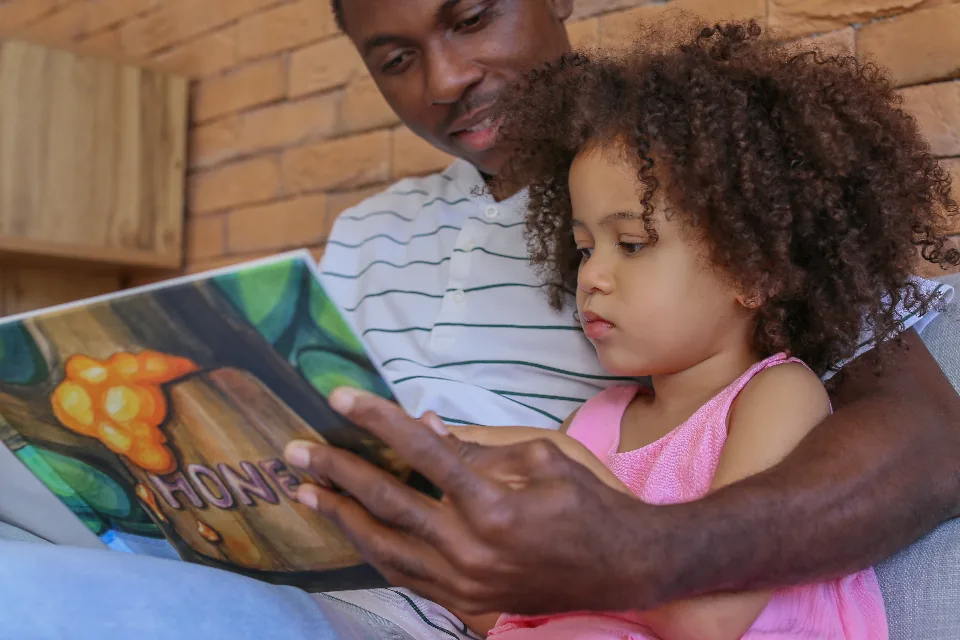
The parent-child relationship is the bond between a child and the adults who raise or care for them. That includes birth parents, adoptive parents, stepparents, grandparents, foster parents, queer parents, single parents and chosen family. Every family shape counts.
This bond changes over time. Toddlers need closeness and steady routines. Teens need room to grow while still feeling anchored. Adult children and their parents often have to renegotiate the whole relationship as equals.
Struggles are common and human. Arguments, silence, mismatched expectations, divorce, blended families, or old hurts can leave you feeling stuck. Wanting to repair or strengthen the connection is a good sign, not a failure.
Here you'll find guides on topics like improving your relationship with a teenager, common parent-child relationship problems, repairing things with an adult child, living with estrangement, co-parenting after divorce, and talking to kids about divorce.
How it’s traditionally been approached
Families have long leaned on elders, faith communities, friends and trusted mentors for parenting guidance. Parenting books, classes and support groups have also been popular ways to learn new skills and feel less alone.
Professional support has taken several forms. Licensed family therapists, psychologists, counselors and social workers work with parents, kids and whole families. Parenting coaches and educators focus on practical skills like routines, communication and boundaries.
When parents are partners, couples counseling has often been a way to get on the same page about parenting. When parents are separating, mediators, co-parenting classes and attorneys have helped with agreements and logistics. Each role is different, and they sometimes work side by side.
How the right relationship pro may help
The right pro may help you slow down, understand what's driving the patterns, and try new ways of connecting. A first visit is often a conversation about what's going on, what you hope for, and who should be in the room. Some pros meet with parents alone, some with kids, and some with everyone.
Good questions to ask: What is your license or training? Do you have experience with my child's age group or my family's situation, such as blended, LGBTQ+, neurodiverse or estranged families? How do you involve each family member? What can I expect from the first few sessions?
If you and a partner disagree about parenting, couples counseling may offer a space to talk it through with support. If you're seeking a parenting coach near you, remember that coaches teach skills and do not diagnose or treat mental-health conditions. Only licensed clinicians provide therapy. Always verify licenses and credentials before you begin.

The whole-person view
Stress lives in the whole person. A tense home can show up as poor sleep, a tight chest, short tempers or withdrawal, in kids and adults alike. Likewise, feeling rested, calm and safe in your body can make patient, curious conversations easier.
Body-based support, like the approaches you can explore through Somatic Experiences, may help some people notice and settle stress before a hard talk. Talk-based support through Therapists.plus may help you sort through feelings, history and communication patterns. Many families find value in some mix of both.
Somatic Experiences: trauma and emotional healing →Somatic Experiences: nervous system regulation →Therapists.plus: relationships families and kids →
Keep in mind
- This page is educational only. It is not therapy, legal, financial or medical advice, and it can't diagnose you, your child or anyone else.
- Licensed professionals should guide care for serious concerns such as depression, self-harm, trauma, substance use or safety. If someone is in immediate danger, call 911. In a crisis, call or text the 988 Suicide & Crisis Lifeline.
- Abuse, intimidation and coercive control are not communication problems. Couples counseling and mediation are generally not recommended when someone is unsafe. If you're afraid, contact the US National Domestic Violence Hotline at 1-800-799-7233 (text START to 88788), and consider individual support from a licensed professional.
- Repair takes two willing sides, and you can only control your own part. Estrangement is painful, and a professional may help you think through your choices, but no one can promise a particular outcome.
Guides in this topic
Relationship pro types
Parent & child relationships
family therapy · parent coaching · repair with adult children
Parenting & navigating multiple roles
parenting coaching · family therapy · role-balancing
Co-parenting
co-parenting coaching · parenting plans · parallel parenting
Stepfamilies & nontraditional family systems
blended-family therapy · stepparent coaching · chosen-family support
Frequently asked questions
How do I improve my relationship with my teenager?
Start by listening more than you correct, and choose small, low-pressure moments to connect, like car rides or shared snacks. Teens often open up when they feel respected rather than lectured. A family therapist or parenting coach may help if conversations keep turning into fights.
What are common parent-child relationship problems?
Common ones include constant conflict, poor communication, mismatched expectations, power struggles, distance after big life changes, and old hurts that never got repaired. These are very human patterns, not signs you've failed. A licensed family therapist may help you understand what's driving them.
Can couples counseling help with parenting disagreements?
Yes, it may. Couples counseling can give partners a structured space to talk about differences in values, discipline and routines, and to work toward more consistent teamwork. It isn't a guarantee, and it's generally not recommended if one partner is unsafe.
How do I repair my relationship with an adult child?
Begin by listening to how they experienced things, without defending yourself right away, and take responsibility for your part. Go at their pace and respect their boundaries. A licensed therapist may help you prepare for these conversations, though repair can't be guaranteed.
What should I do if my adult child is estranged from me?
Give yourself compassion first, since estrangement hurts. Consider a brief, respectful message that leaves the door open, and avoid pressure or guilt. Individual support from a licensed therapist may help you process grief and decide next steps.
How do I talk to kids about divorce?
Be calm, honest and age-appropriate, and ideally talk together if it's safe to do so. Reassure kids that they are loved and that the divorce isn't their fault. A child or family therapist, or a co-parenting professional, may help you plan the conversation. Where abuse is a concern, seek individual guidance and call the National Domestic Violence Hotline at 1-800-799-7233.
Educational resource. Relationships.plus shares general information and connects people with independent relationship pros. It is not medical advice, diagnosis or treatment. Talk with a licensed professional about your health. In a crisis in the US, call or text 988 or call 911.